Tech Connecting You to the World
Next Steps: What to Consider When Looking for a Hearing Aid
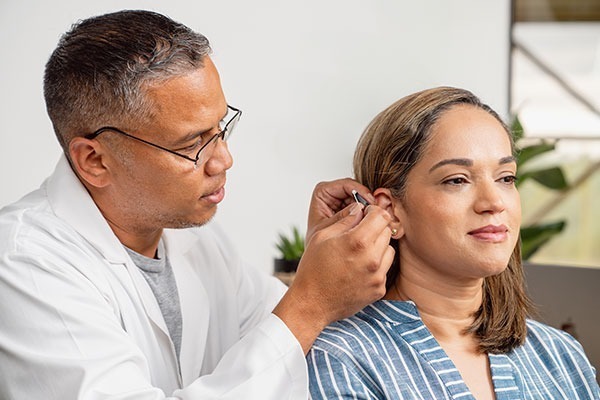
Hearing aids are medical devices that can be purchased through a hearing professional (such as an audiologist, hearing aid specialist, or ENT). Adults with mild to moderate hearing loss may also be able to purchase over-the-counter (OTC) hearing aids online, by mail, or in some retail stores.
Like any medical device, hearing aids should be carefully considered before making a purchase. The following guidelines can help you choose the device that best fits your hearing and lifestyle needs.
1. Get your hearing tested
- Have a licensed hearing care professional check your hearing. A professional evaluation gives you a clear picture of your unique hearing abilities and can help guide your next steps.
- A comprehensive hearing test helps ensure any recommended hearing aid is well-matched to your hearing needs, lifestyle, and personal preferences.
2. Consider your lifestyle
- Identifying your priorities can help you select the technology and features that best support your lifestyle.
- Do you frequently watch television or talk on the phone?
- Do you attend social gatherings, church services, or meetings?
3. Trial Periods
- Manufacturers of prescription devices offer trial periods, usually between 30 and 60 days.
- If you’re considering an OTC hearing device, look for a trial period so you can be sure it works for you before buying.
- Make sure the company provides a clear, reliable customer service contact for troubleshooting or returns if needed.
4. Understand the cost and associated care
- The cost of prescription hearing aids often includes professional fitting, follow-up care, maintenance, and sometimes batteries.
- OTC hearing aids may be less expensive because they do not include professional services.
- Understand your insurance options: hearing aids are an important investment, and different plans may or may not help cover the testing, fitting, or hearing technology.
5. Care and follow-up are crucial for the long-term
- Hearing aids need maintenance: clean them, keep them dry, and follow the care instructions provided by the licensed hearing care professional or on the instructions for the device(s).
- Plan to go back for follow-up visits with your licensed hearing care professional so they can “fine-tune” how the devices are set up. This helps performance over time.
- Give yourself time to adjust. At first, things will sound different (even your own voice), but that’s normal. Your brain will “re-learn” sounds and listening will feel more natural the longer you wear the hearing aids.